
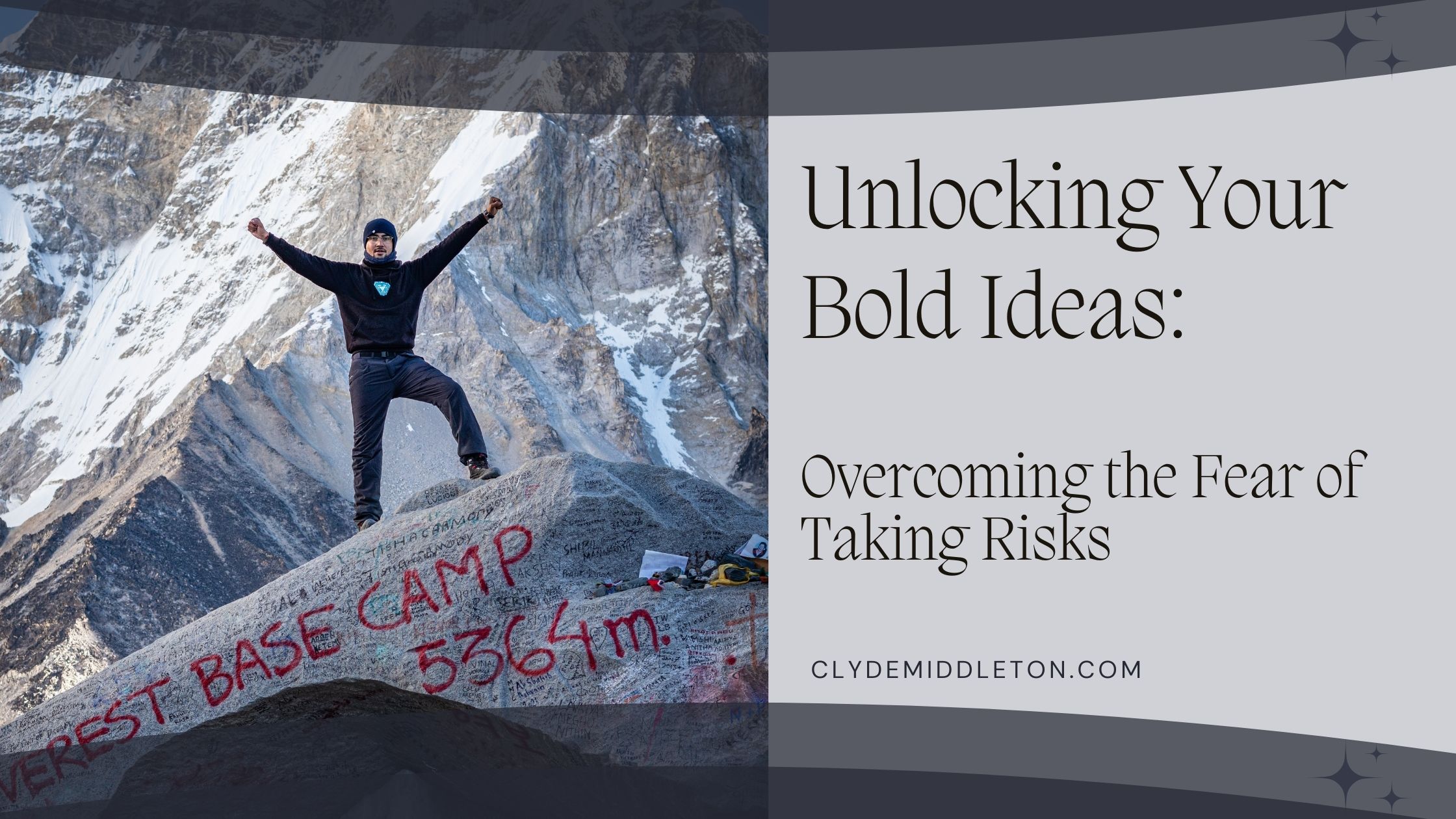
Creative and innovative people are just people. They may have unique ways of looking at the world that most people don't have, but they suffer from the same risk aversions most of us have, which can limit the creativity that defines them.
It is a common experience.
For example, a person has a problem and a known solution. However, the current and proven solution isn't an option for some reason. So, they put their creative juices to work and discover a new and ambitious possibility. So far, so good.
However, they know that if they fail, their professional reputation and self-esteem will suffer. So, instead of sharing their innovative solution, they wait until the traditional solution becomes more available.
Creative, Unique Thinkers Are Often Very Risk Averse
Adam Grant is the author of "Originals: How Nonconformists Move the World". He learned that many original thinkers prefer to avoid taking big risks. Part of their thinking process involves studying an endeavor or problem from every possible angle before considering action.
 The irony of that discovery is present in the title of his book. Those unique thinkers who embrace risk are responsible for innovative and positive change. They identify that moving forward in a new and unique way might be risky, but they do it anyway.
"New" doesn't always mean "better," but sometimes it does. Take electric cars, for example. When Tesla first introduced its line of electric vehicles, many people doubted whether this new technology could truly replace traditional gasoline-powered cars. Would consumers adopt the change, or would they stick to the familiar, comfortable option of gas-powered cars?
Permit Yourself to Imagine Big
Nicholas Copernicus risked career suicide and even death when he began openly preaching that the sun was the center of our solar system instead of the earth. People considered his ideas sinful, and they did not sit well with the Roman Catholic Church. Though others had presented the same view before him, he was rather vocal in his innovative beliefs.
Of course, we know now that he was correct. But at the time, he risked everything, even his very existence, to make his beliefs known. We now read about him in history books.
Innovation can be challenging. You may have to risk your career, important relationships, and much more to greatly impact your life. I recommend you permit yourself to dream big. In thinking and visualizing big, you develop the courage to accept risk as a necessary evil on the path to innovation.
 Innovation starts with daring to think BIG. But true progress happens when you overcome your fear of taking risks and break out of the prison known as your comfort zone.
Take the first step today! Reflect on that idea you've been holding back and consider how taking action could lead to a positive change.
Recommended Reading:
As mentioned in the article, this book explores how creative people often struggle with risk aversion, but it also shows how those who embrace risk are the ones driving innovation and change. Grant offers practical advice for anyone looking to turn unconventional ideas into reality
In this follow-up to Originals, Grant emphasizes the importance of rethinking ideas and being willing to take risks even when it means stepping outside of your comfort zone. It encourages a growth mindset and the courage to challenge long-held beliefs.