
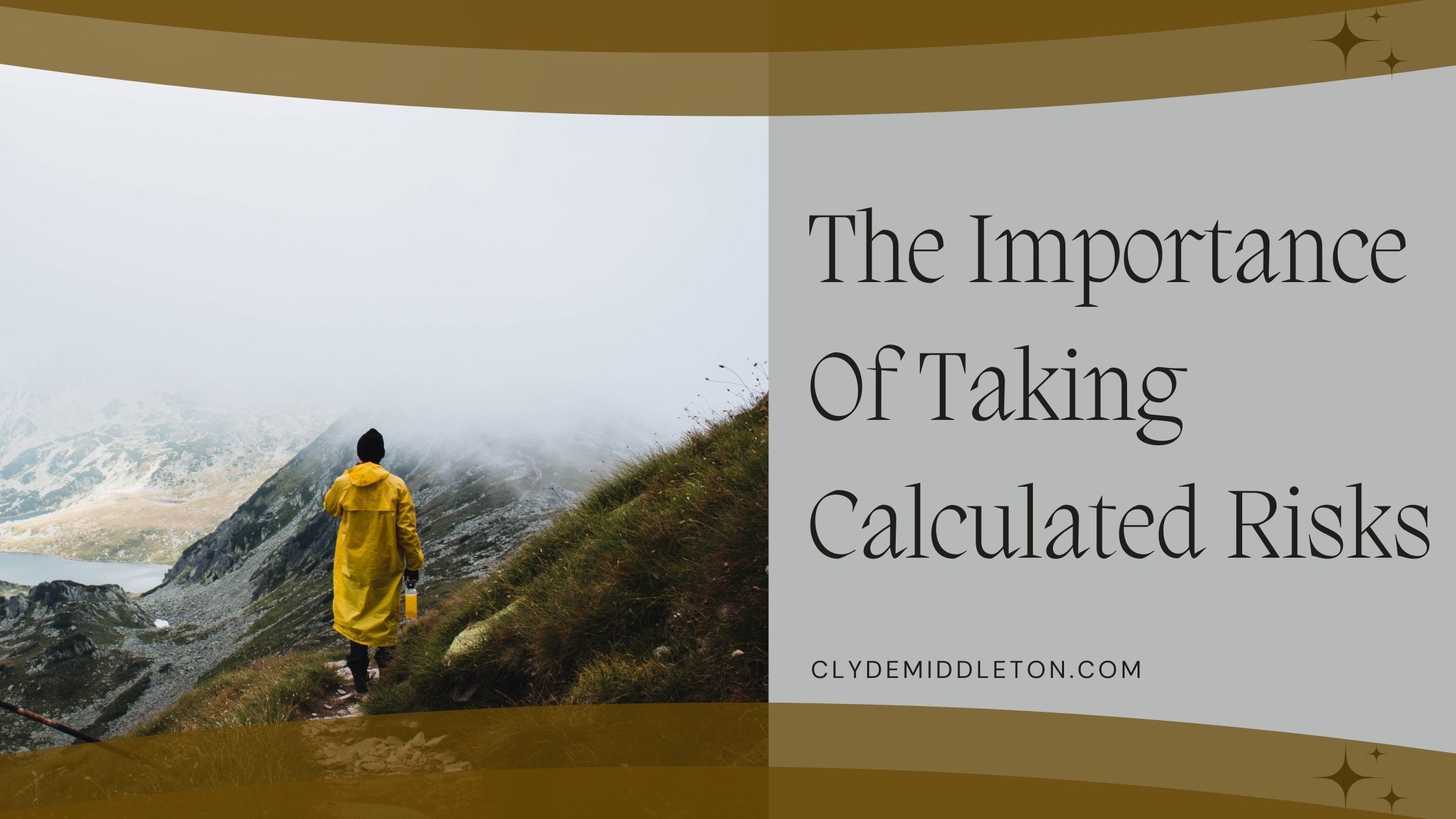
Are your risks calculated or careless? The difference can dictate whether you live a life of meaningful, fulfilling successes or frustrating failures. When you take the time to assess a situation before going all in, you are protecting your best interests. Successful CEOs and battlefield generals spend lots of time and resources on this process.
 Looking at a problem or endeavor through many lenses makes sense before taking action. This is part of the risk assessment process. You take the sting out of the risk by minimizing it any way you can. That improves your odds of enjoying a good experience. You calculate everything that could go wrong, the things you need to be successful, and only then do you take action.
Aside from improving your chances for success, this assessment exercise provides the following rewards.
You Learn to Look at Risk Objectively
This process removes your emotions and feelings. You learn to look at the situation clinically. You review the risks, potential possibilities, and effects or outcomes of a problem or a course of action. This process treats all risks the same. You don't judge what may happen. You crunch the numbers and do your homework.
This process can allow you to embrace more risk. It shows you that you can follow a scientific method that will give you all the information you need before you decide to move forward or abandon some endeavor.
You See Opportunities Everywhere
The typical person sees significant risk and runs in the opposite direction. They are risk averse. The most successful people understand that if making big things happen was easy, everyone would be doing it. Most people don't achieve their biggest, most important dreams or goals, and that's because there is often a lot of risk, discomfort, and uncertainty involved.
Risk assessment reveals opportunities often cloaked by the high potential for a negative outcome. Calculating the chances for success in a situation rather than automatically avoiding it can open your eyes to opportunities you otherwise would have missed.
Your Personality Profile Shapes Your Approach to Risk
Your personality plays a huge role in how you approach risks in life and business. The DISC model breaks down your behavior into four types:
Dominate, Influencing, Steady, and Compliant.
A DISC profile can offer insights into your decision-making and risk tolerance. Understanding your profile can help you assess when to take calculated risks and when to exercise caution.
Here's how each DISC type typically approaches risk:
- Dominate: If score high in Dominance, you likely feel comfortable taking bold risks. You tend to be decisive, assertive, and action-oriented, pushing forward toward your goals even when uncertain.
- Influencing: People with high Influence are often optimistic and persuasive. They see opportunities where others may not. Balancing your enthusiasm with calculated planning can help you achieve your goals.
- Steady: If Steadiness is your dominant trait, you're likely more cautious when it comes to risks. You value stability, consistency, and predictability, but you can take more calculated risks with a well-structured plan.
- Compliant: High C individuals are meticulous and data-driven, preferring to avoid risks unless they are well-researched. You thrive when you have time to analyze and plan thoroughly.
When you understand how your DISC type influences your risk tolerance, you can make more informed decisions and take calculated risks that align with your strengths.
You Can Live Your Most Engaged and Fulfilling Life
 Your best-ever life might be challenging to achieve. A high level of risk often accompanies a high level of reward. Assessing and then taking calculated risks gives you purpose and meaning. You genuinely engage in life. That could be the most significant benefit of developing the courage to calculate and conquer risk.
Take Control of Your Risk Management Today!
Discover your DISC profile and learn how to take smarter risks that align with your personality. Visit disc.clydemiddleton.com to take your personalized DISC assessment. By understanding your behavioral tendencies, you can unlock new opportunities for success while confidently managing risk in every area of your life.
Start your DISC journey today!
Recommended Reading:
This book helps readers understand common cognitive biases that cloud judgment and lead to careless risk-taking. It?s a valuable guide to improving decision-making by avoiding psychological traps.
Grant Cardone?s bold approach encourages you to think big and take calculated risks to achieve massive success. His message is that risk-taking, when done thoughtfully, can lead to extraordinary results.