Loyalty is a crucial aspect of effective leadership. Building a solid and successful team that can withstand challenges and achieve long-term success can be challenging without loyalty. Leaders who inspire loyalty are likelier to see their team members go above and beyond, stay committed, and remain dedicated to achieving the organization's goals.
However, building loyalty requires time, effort, and commitment from leaders. By following these six strategies, leaders can create a culture of loyalty that will strengthen their team, promote success, and foster long-term growth.
Build trust: Trust is essential for any leader to inspire loyalty. Employees who feel trusted will work harder to please their leaders and feel confident in their judgment. Showing trust builds team confidence and reinforces your judgment.
Building trust is a two-way street. As a leader, it's essential to show your team that you trust them, but it's also important to give them a reason to trust you. Leaders can build trust by being transparent about decisions, sharing information, admitting mistakes, and being consistent. Over time, these actions will build trust between you and your team.
Provide clarity: A clear leader ensures that everyone knows what is expected of them and that there will be no unpleasant surprises. Good leaders are clear about their vision, goals, and standards. They also share information and update their team on what will likely impact the project.
Clarity is not just about communicating what you want; it's also about ensuring that your team understands what you expect of them. Ensure you have set clear goals, shared your vision and strategy, and established a timeline for achieving milestones. Regularly communicate with your team to ensure everyone is on the same page and understands how their work contributes to the larger picture.
Lead by example: Good leaders are also role models for their teams. Leaders should exemplify the behavior they want their employees to exhibit. They should be kind and willing to help, even when things get busy. For example, a leader who works with the team to meet deadlines makes them feel valued.
Being a good role model means leading by example in your work and behavior. Good leaders should always be willing to lend a hand and take on tasks alongside their team. Leaders should also exhibit the kind of behavior they want to see in their team members. For example, if you expect your team to be punctual, be punctual yourself. If you wish your team to be respectful, show respect to all team members.
Build positive relationships: Good leaders put effort into building relationships with their employees. They should take an interest in their team members as people, not just as employees, and get to know their situations and what's happening in their lives. It is crucial to maintain healthy boundaries while building these relationships.
Building positive relationships with your team can go a long way in creating a culture of loyalty. Leaders should take the time to get to know their employees, interests, and goals. This knowledge can help you tailor your leadership style to their needs and create a positive working environment. Make time for one-on-one conversations with your team members to build trust and understanding.
Encourage employee development: Good leaders are committed to growing their team's skills and experience. A successful team constantly learns and develops; investing in employee development is a wise investment in future success.
Encouraging employee development is about more than just providing training and development opportunities. Leaders should also be advocates for their employees' growth and development. Being an advocate means giving feedback and support, recognizing their accomplishments, and creating opportunities for them to take on new challenges. Leaders who invest in their employees' development can create a team of motivated, engaged, and loyal team members.
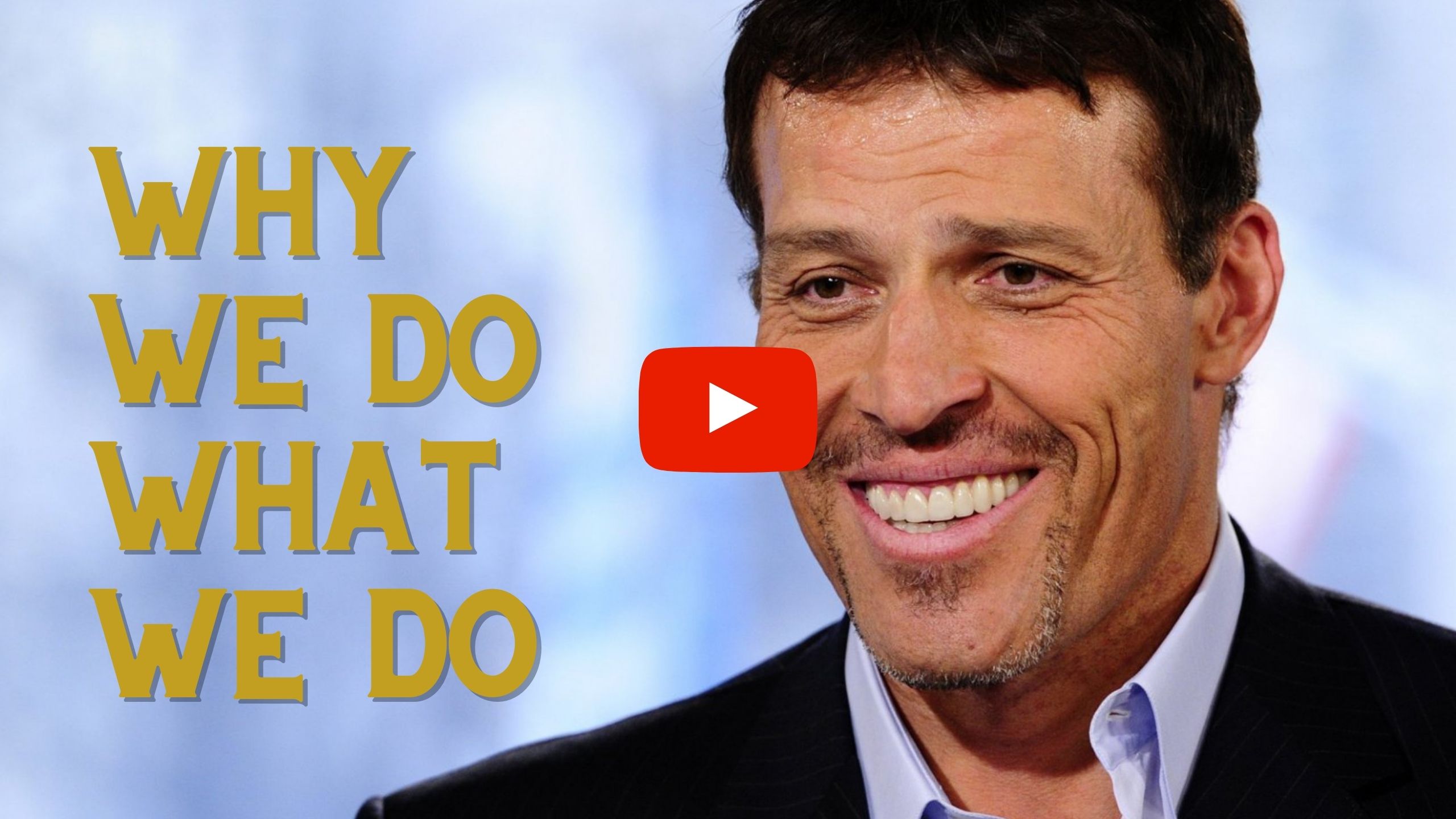
In his 2006 TED Talk, Tony Robbins shares his insights into the science of motivation and how to create a culture of growth and development. In addition, he provides practical strategies for leaders to help their team members achieve their goals and maximize their potential. By following his advice, leaders can foster a culture of learning and development that will help their team members thrive and contribute to the organization's long-term success.
??????
Be honest and open: The most critical way to build loyalty is to be open and honest in all your dealings. Being trustworthy is the foundation of commitment. When people know they can rely on you to be truthful and forthright, you'll be surrounded by supportive people who are fiercely loyal to you. Team members, clients, and board members will want to work with and support you.
Being honest and open means more than just telling the truth. It means being transparent in your communication and decision-making. Be upfront about challenges and obstacles, and let your team know what you're doing to address them. Then, when you make a mistake, own up to it and take responsibility. Admitting your mistakes will show your team that you are trustworthy and value their input and feedback. Honest and open leaders can build a committed and loyal team to the organization's goals.
Encouraging loyalty through leadership is a process that involves consistent effort and attention rather than a one-time event. It's essential to remember that building loyalty is not about being the most popular or well-liked leader but rather about creating an environment where team members feel valued, respected, and empowered.
By consistently practicing these six strategies and demonstrating genuine care and support for their team, leaders can foster a sense of commitment and loyalty that will help drive their organization's success. Leaders who build loyal teams set their organizations up for long-term growth. Their team members are more likely to be engaged, productive, and dedicated to achieving the organization's goals.
As my mentor, John Maxwell says,
"Leadership is a two-way street; if you want your team to be loyal to you, you must first be loyal to them."
If you're not a member of the GOYA Academy, make sure you register for your free membership HERE.
To Your Success,
Clyde
?????????